
What Are Luxury Jewelry Designers?
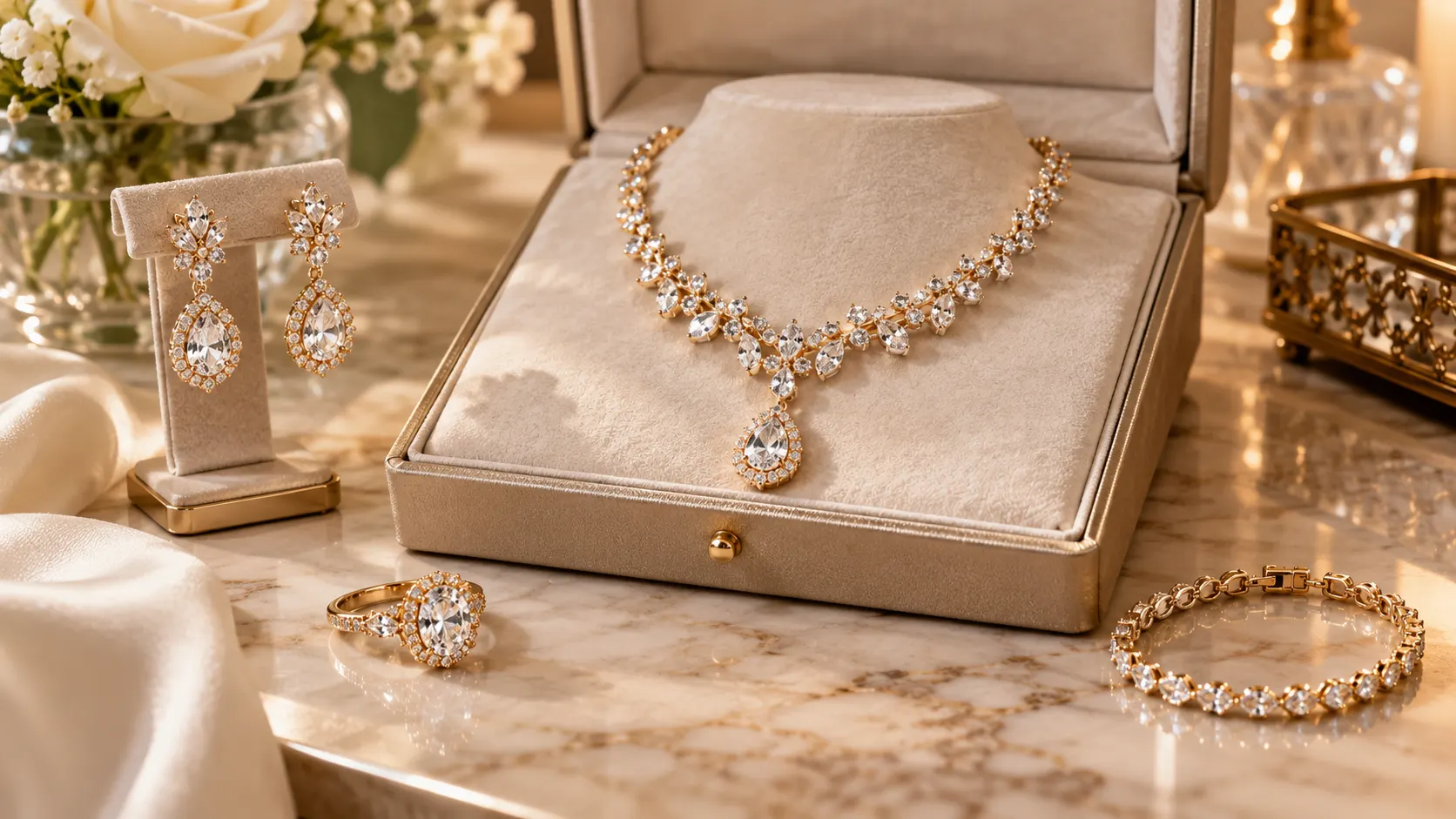
Luxury jewelry designers are the makers behind fine jewelry built on craftsmanship, premium materials, and original design rather than mass production. The term covers a wide range: centuries-old fashion houses, independent studios, and bespoke jewelers who work one-on-one with clients. What connects them is a focus on quality over speed, and a design identity recognizable enough that a piece can be spotted as theirs without a logo in sight.
Why Shoppers Choose Designer Jewelry
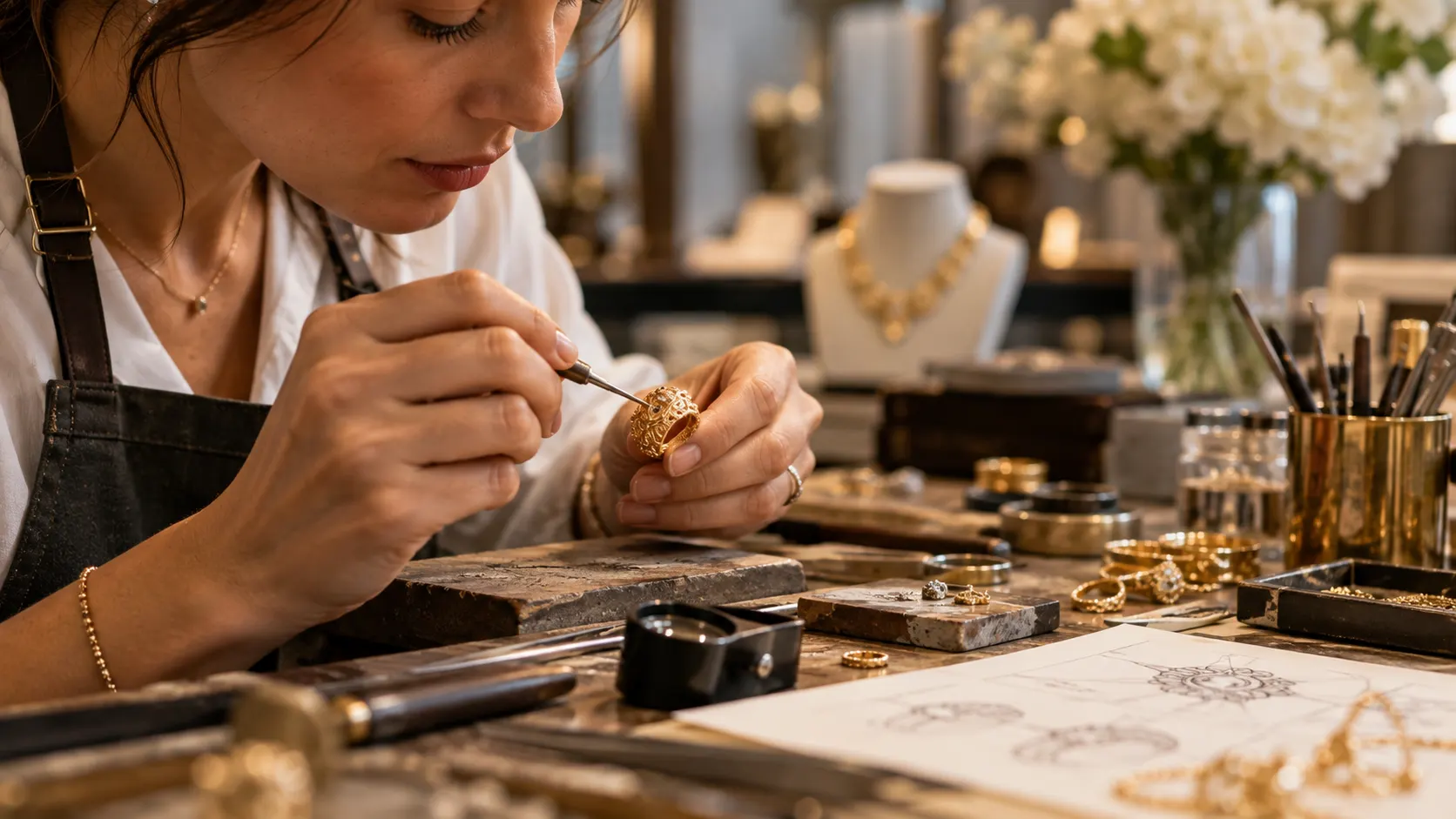
People choose designer jewelry over mass-market pieces for a mix of practical and emotional reasons:
- Quality that lastsbetter materials and construction mean the piece still looks right in twenty years
- Individualitya design you won’t see on ten other people
- Meaningjewelry tied to a relationship, milestone, or memory
- Craftsmanshipvisible, hand-level detail that a mass-produced piece simply doesn’t have
- Confidence in materialsknowing exactly what metal and stone you’re actually getting
What Makes a Jewelry Designer Truly Luxury?
Craftsmanship and Attention to Detail
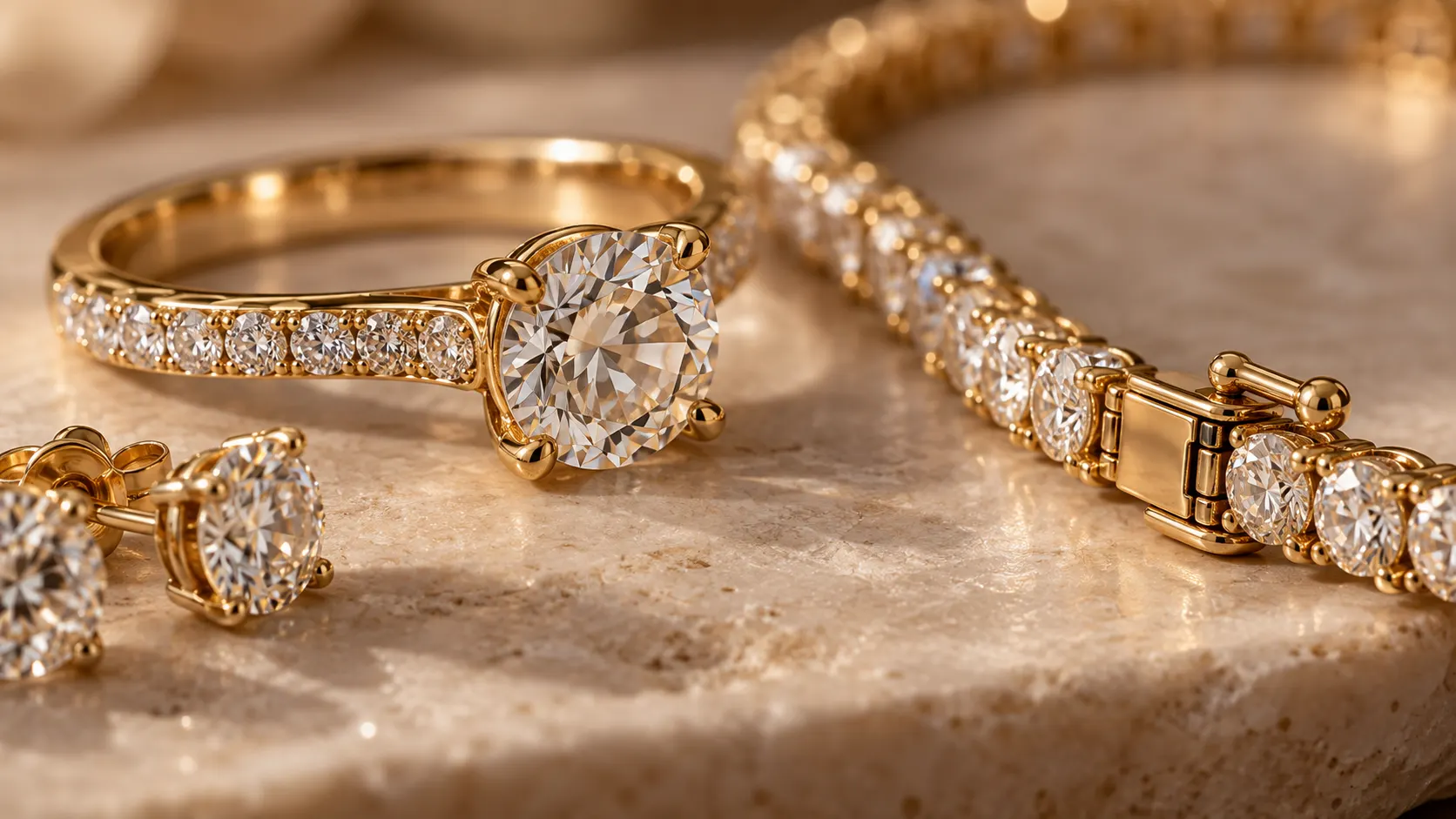
Real luxury shows up in the details most people never think to check a clasp that closes smoothly, a setting that holds a stone securely for decades, finishing work on the back of a piece that’s just as careful as the front. This level of jewelry craftsmanship usually comes from hand-finishing, or a skilled combination of hand and machine work, rather than a fully automated process.
Precious Metals and Gemstones
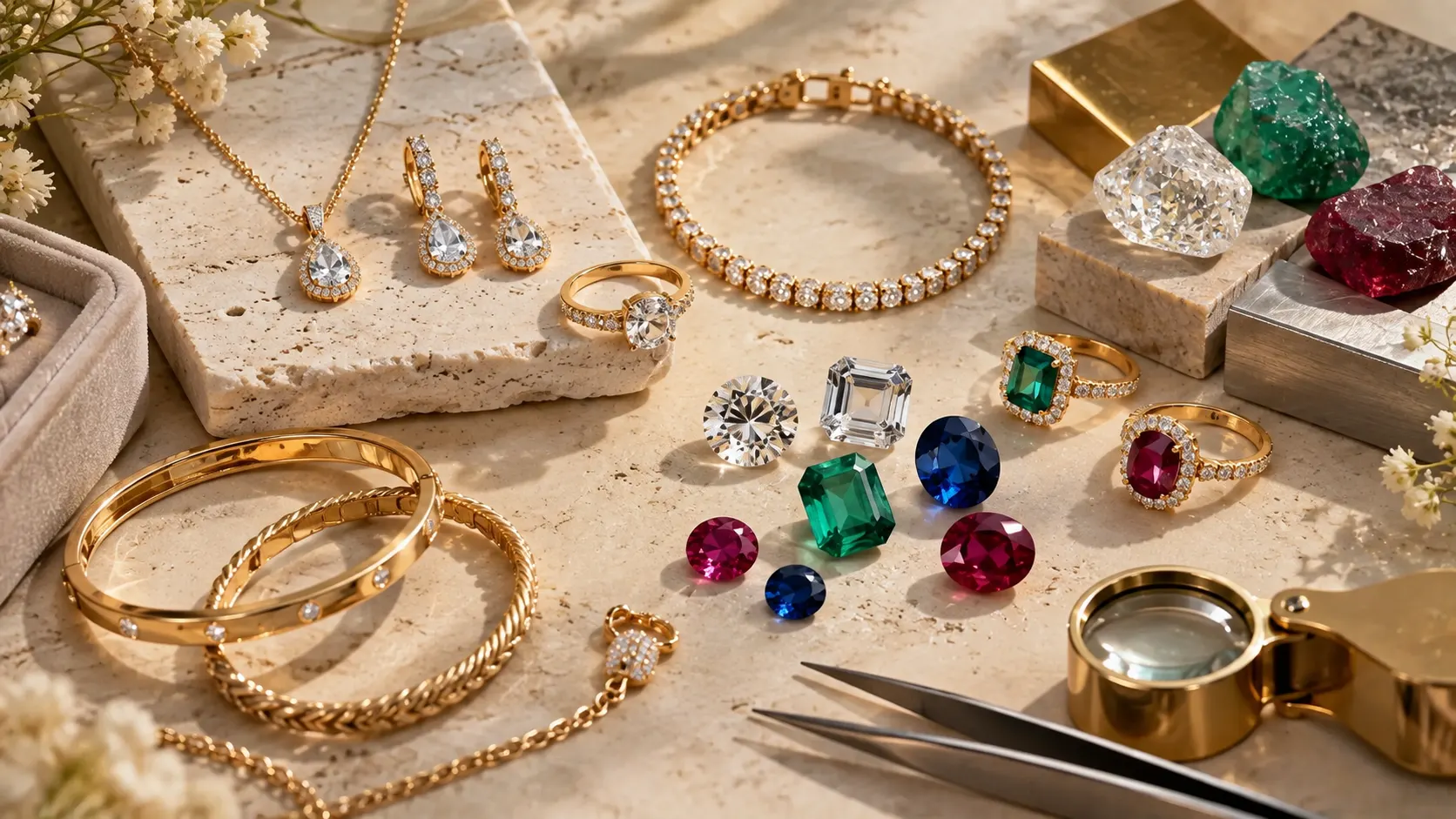
Luxury pieces use precious metals and gemstones chosen for quality, not just appearance: solid gold instead of plating, genuine stones instead of synthetic fillers, metals selected for how they wear over years of daily use.
A Recognizable Design Identity
The best designers build a design identity a recurring motif, a particular setting style, a silhouette that makes their work identifiable even without a signature or logo.
Types of Luxury Jewelry Designers
Fine Jewelry Designers
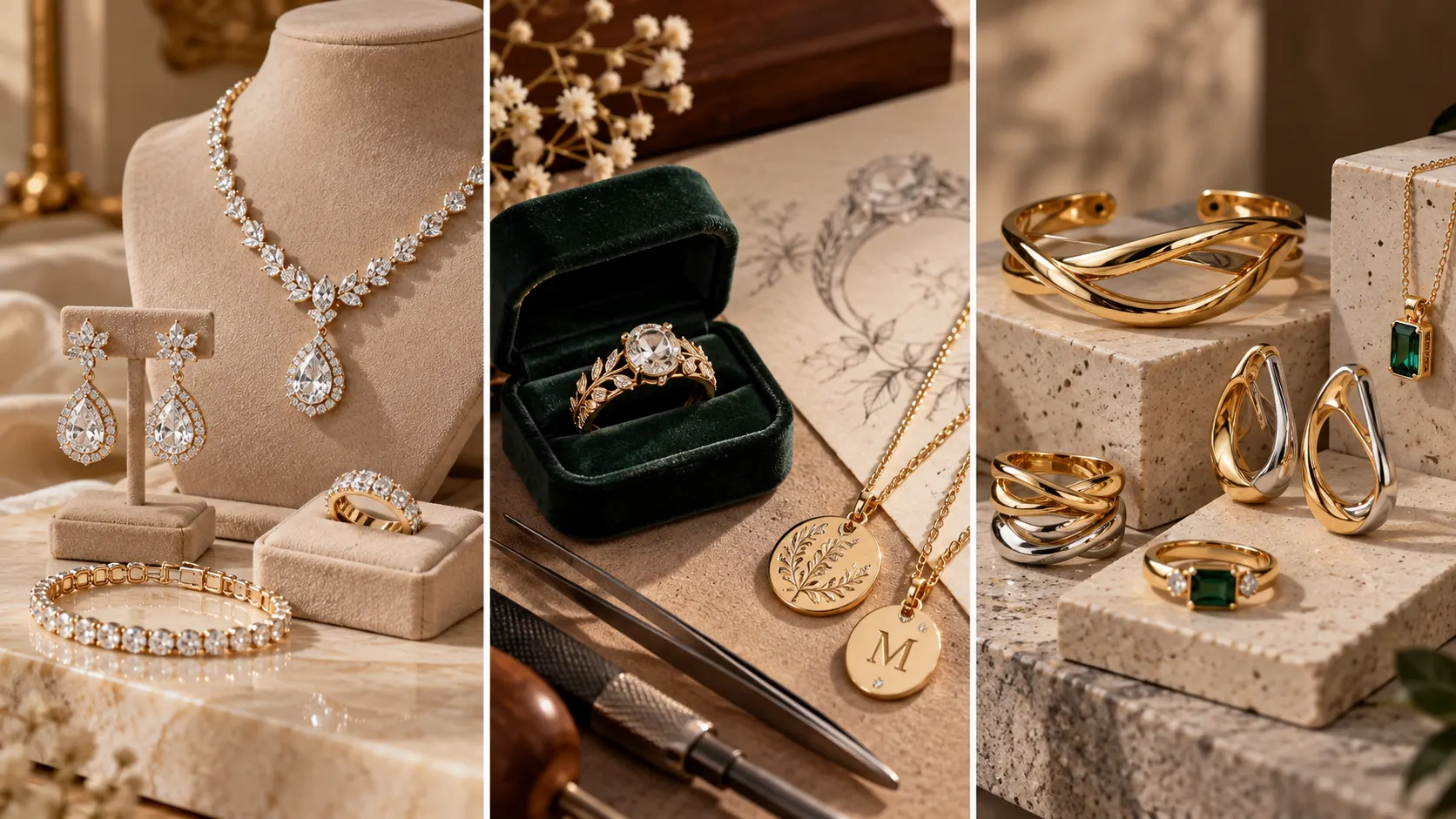
Fine jewelry designers typically work in precious metals and gemstones at the highest tier often with heritage houses, formal collections, and bridal-focused pieces meant to be heirlooms.
Bespoke and Custom Jewelry Designers
These designers build custom jewelry around one client at a time a custom engagement ring, a personalized piece built from a sketch, or a redesign of inherited stones into something new.
Contemporary and Independent Designers
A growing category of independent jewelry designers work on a smaller scale, often selling directly online. Their pieces tend to be more experimental, trend-aware, and accessible in price than long-established fine jewelry houses, while still emphasizing original design and quality materials.
How to Choose the Right Designer
Choosing a luxury jewelry designer comes down to a few practical questions, not just picking the most familiar name:
- Design style does the aesthetic match what you’d actually wear?
- Materials and craftsmanship what metals and stones are used, and how is the piece made?
- Customization real personalization, or just minor variations on a fixed design?
- Brand reputation how do pieces hold up over time, past the marketing?
- Sourcing practices does the designer know, and share, where materials come from?
- Customer reviews ones mentioning durability and service matter more than star ratings alone
- Price vs. long-term value a well-made piece that lasts decades often beats a cheaper one you’ll replace
Understanding Materials, Gemstones, and Quality
A few basics make it much easier to judge jewelry quality:
- Gold purity measured in karats; 24k is pure gold (soft, rarely used alone), 18k and 14k mix in other metals for durability
- Platinum vs. gold platinum is denser, more hypoallergenic, and holds stones more securely, which is part of why it costs more
- The 4 Cs of diamonds cut, clarity, carat, and color, with cut having the biggest effect on how a diamond actually sparkles
- Gemstone treatments many stones are treated (heated, filled) to improve color or clarity; a reputable designer discloses this
- Hallmarks and certification a stamped karat mark, and for diamonds, a grading report from an independent lab, confirm what you’re actually buying
Buying Designer Jewelry Online in the U.S.
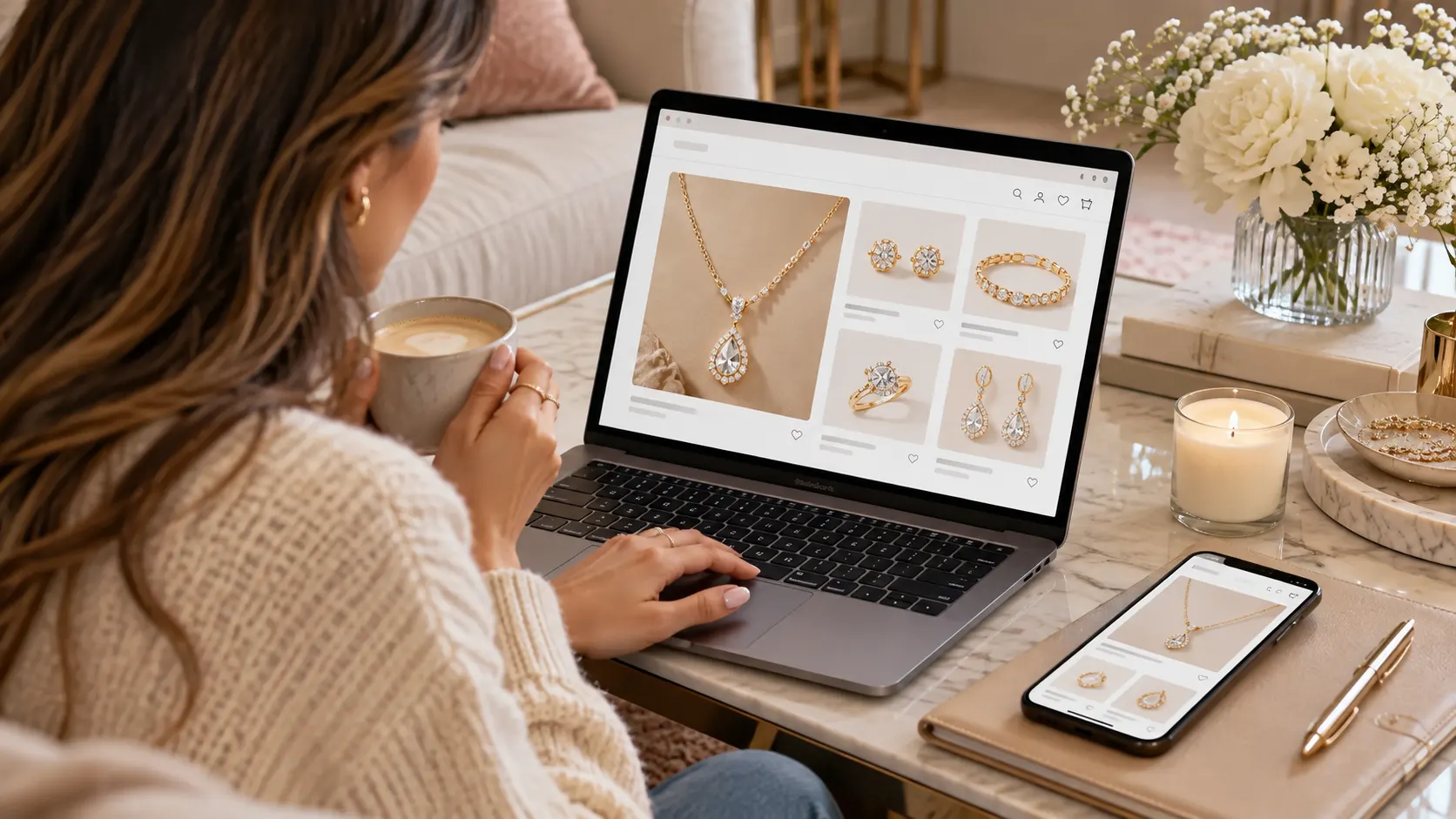
Buying designer jewelry online is common now, but a few checks protect you:
- Return policy a reasonable window (usually 14–30 days) in case the piece doesn’t match expectations in person
- Certification included gemstone or metal certification should ship with the piece, not be available “on request”
- Secure checkout encrypted payment, and ideally insurance or signature confirmation for high-value shipments
- Sizing guidance a printable ring sizer or clear sizing chart, since fit can’t be checked before delivery
- Verified reviews reviews that mention the actual piece and its durability, not just the unboxing
Price, Value, and What You Are Really Paying For
Luxury jewelry pricing usually breaks down into a few components:
- Material cost the actual gold, platinum, or gemstone value
- Labor and craftsmanship hours of hand-finishing, setting, and quality control
- Design and exclusivity original work costs more to develop than a mass-produced template
- Brand and reputation an established name adds cost, independent of the materials themselves
Worth being clear: jewelry is not a guaranteed financial investment, and shouldn’t be bought expecting it to appreciate like an asset. The real value is in longevity, craftsmanship, and how long a piece stays genuinely worth wearing.
Luxury Jewelry Trends in 2026
- Minimalist luxury clean lines and quieter settings over logo-heavy pieces
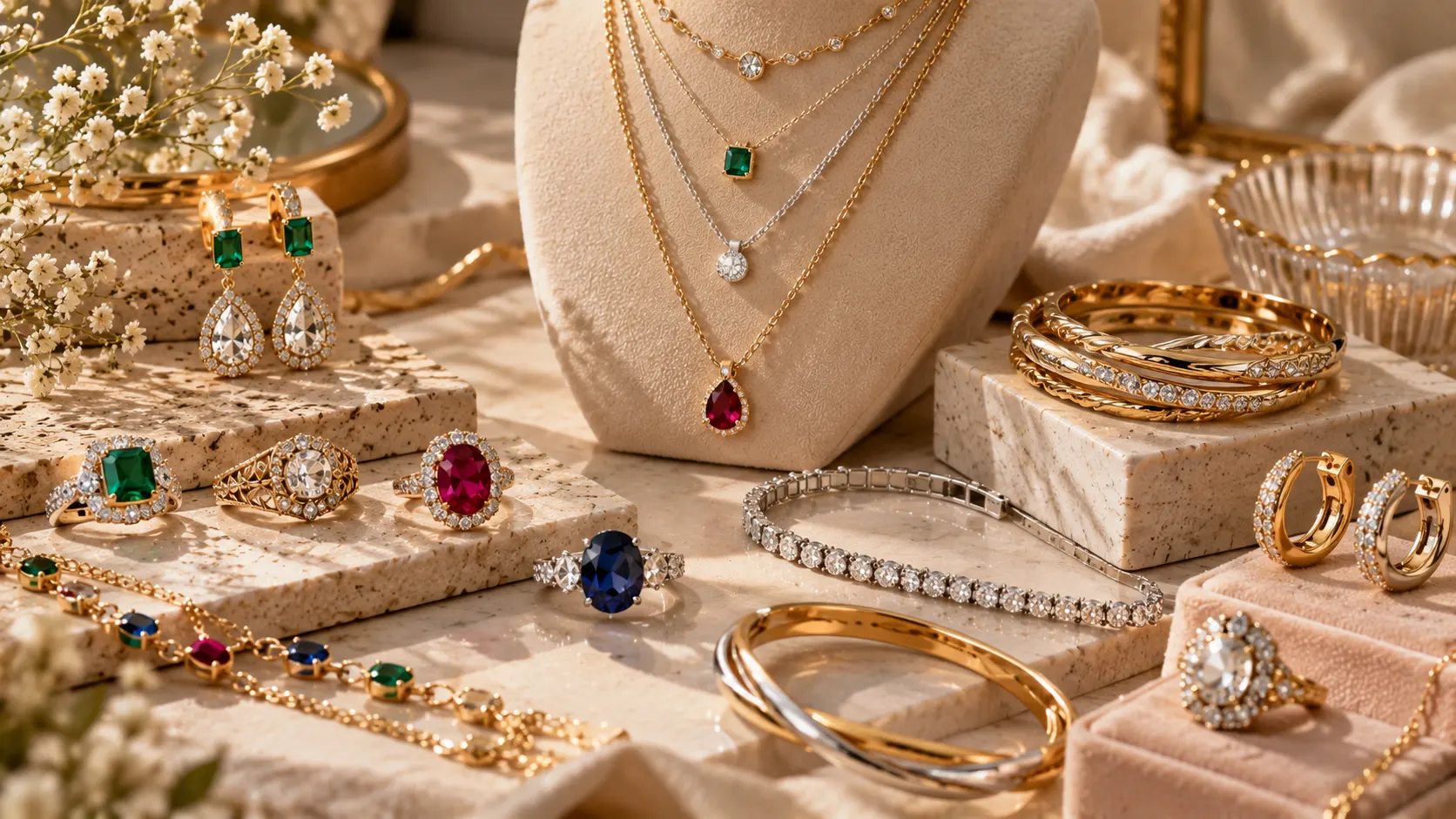
- Layered and stacked jewelry multiple necklaces or rings instead of one statement piece
- Mixed metals gold and silver worn together, no longer an either/or
- Vintage-inspired settings antique detailing reworked for modern wear
- Sustainable materials recycled metals and ethically sourced, including lab-grown, gemstones
- Everyday luxury well-made pieces meant for daily wear, not just special occasions
The U.S. Luxury Jewelry Designer Landscape
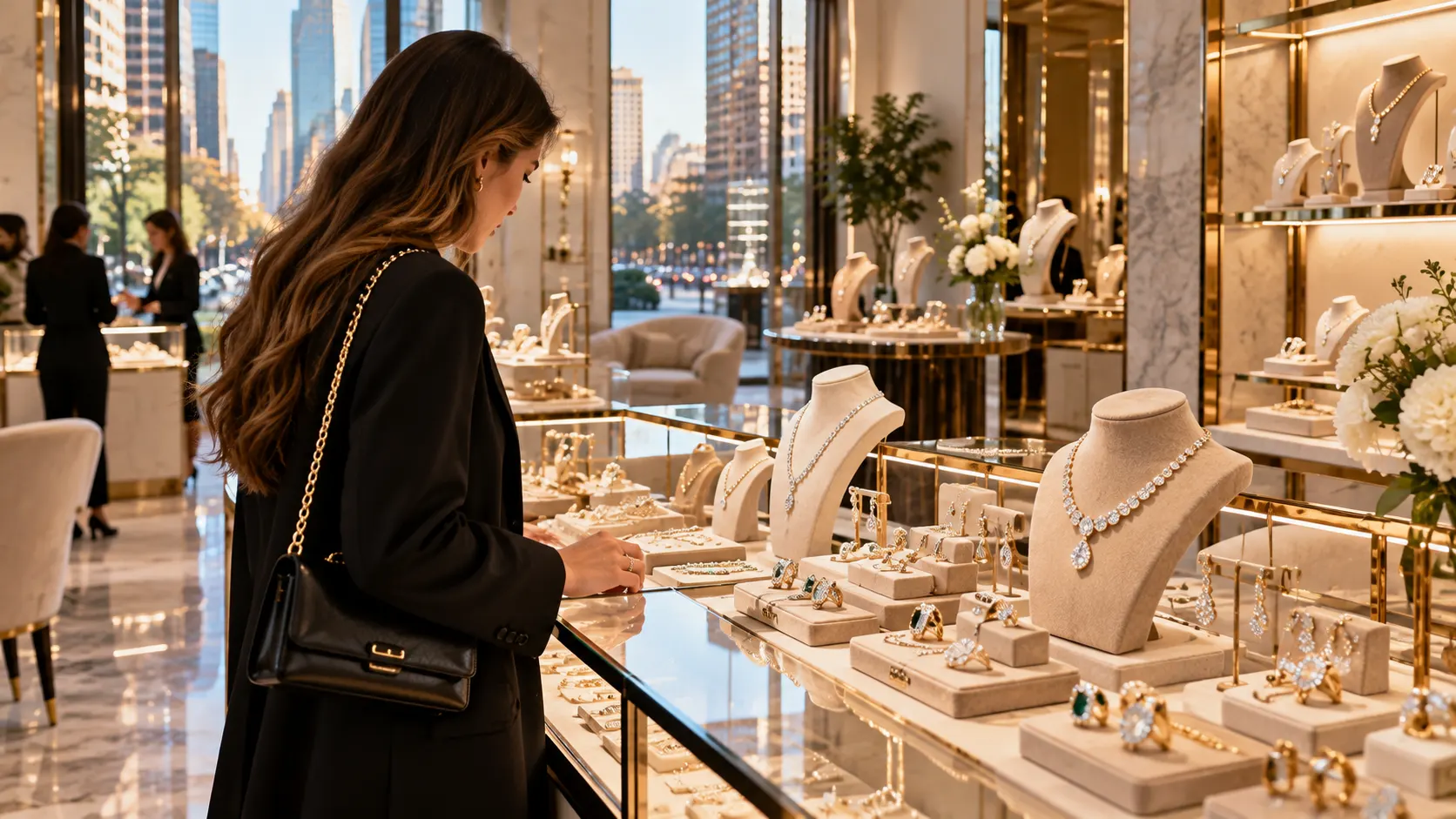
The U.S. market blends a few different kinds of designers: long-established heritage houses with a U.S. retail presence, historic jewelry districts in cities like New York, American-born fine jewelry designers with decades-long reputations, and a fast-growing group of independent and direct-to-consumer designers building their business primarily online. U.S. shoppers in particular tend to favor personalization, transparency about sourcing, and the ability to research a designer thoroughly online before buying which has pushed even older, established houses toward more digital-first selling.
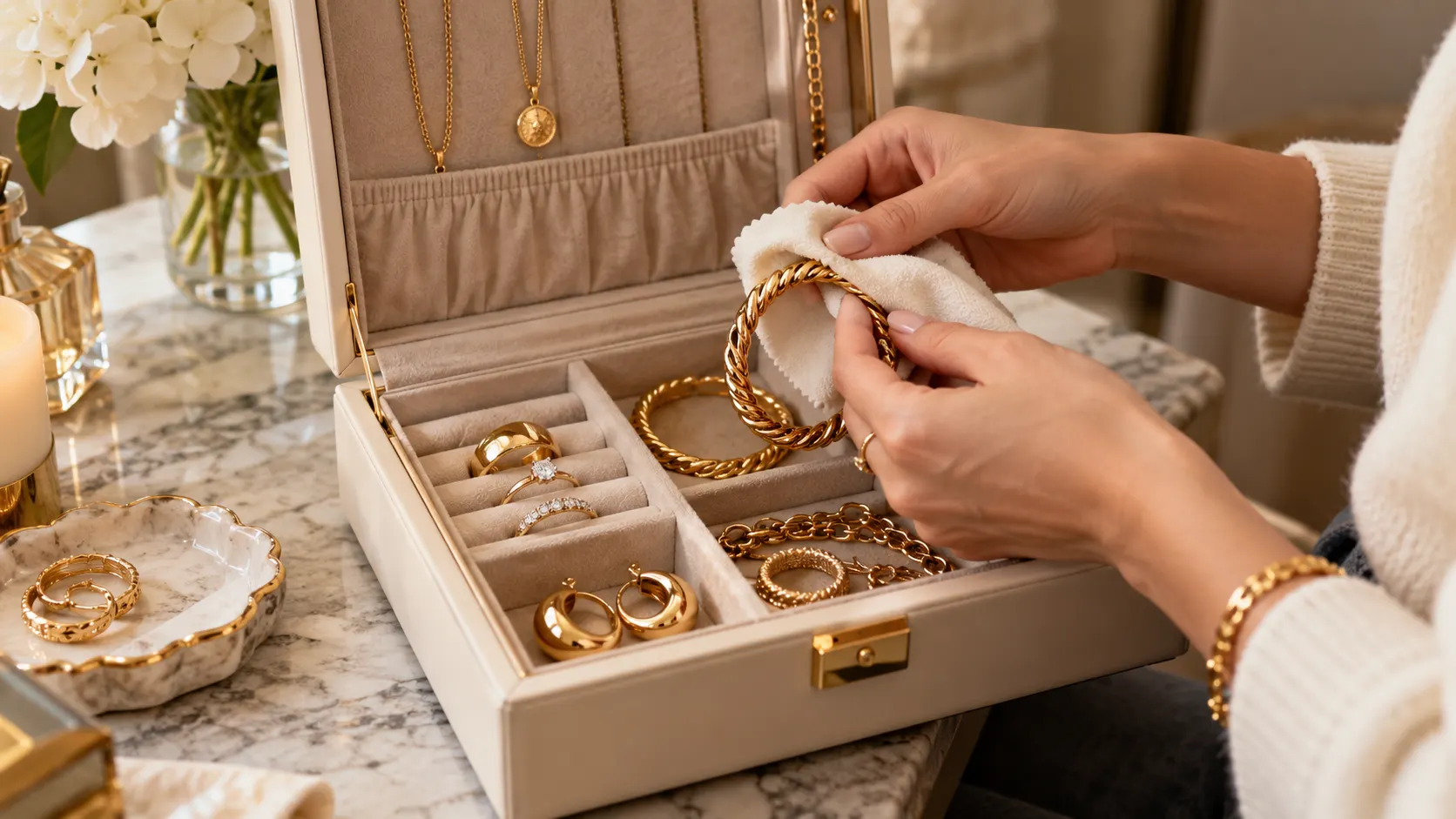
How to Care for Designer Jewelry
- Clean gently warm water, mild soap, and a soft brush; avoid harsh chemicals and ultrasonic cleaners on fragile or treated stones
- Store separately a lined box or soft pouch for each piece prevents scratching
- Remove before activity swimming, gym sessions, and heavy chores are the most common causes of damage or lost stones
- Avoid lotion and perfume contact chemicals can dull metal finishes and cloud certain gemstones
- Get it checked periodically a jeweler can catch a loose setting or worn clasp before a stone is lost
Conclusion
Luxury jewelry designers aren’t defined by one look or one price point they’re defined by craftsmanship, genuine materials, and a design identity that holds up over time. Whether you’re drawn to a heritage fine jewelry house, a bespoke designer who’ll build a piece around you, or an independent studio doing something no one else is, the same checklist applies: good materials, honest sourcing, and a piece made to be worn for years, not seasons.
FAQs
1. What’s the difference between fine jewelry and designer/fashion jewelry?
Fine jewelry is made with genuine precious metals and gemstones, often hand-finished. Fashion or costume jewelry uses base metals and imitation stones, which keeps it affordable but means it won’t hold the same value or last as long.
2. How much should you expect to pay for luxury jewelry?
It varies widely by material, design complexity, and brand there’s no single number. A piece’s price should roughly reflect materials, craftsmanship, and design exclusivity combined, not any one of those alone.
3. Is it safe to buy designer jewelry online?
Yes, as long as the seller provides clear certification, a reasonable return policy, secure checkout, and verifiable reviews. Those four things are the main safeguards to check before buying.
4. What certifications should come with a piece?
A karat hallmark for gold or platinum, and for diamonds or larger gemstones, an independent grading report confirming the 4 Cs and any treatments.
5. What’s the difference between solid gold and gold-plated jewelry?
Solid gold is gold throughout; gold-plated jewelry has a thin gold layer over a base metal, which will eventually wear through. Solid gold costs more but keeps its finish indefinitely.
6. How often should designer jewelry be professionally cleaned or inspected?
Roughly once or twice a year for pieces worn regularly more often for rings worn daily, since settings loosen gradually with everyday wear.